Compare Local Contractors for Basement Floor Sawing Projects
Compare local contractors for basement floor sawing to define project scope, verify experience, and establish clear expectations before hiring.
Basement floor sawing is a specialized service that involves cutting through concrete slabs to allow for renovations, repairs, or utility installations. This work typically covers tasks like creating openings for plumbing, electrical conduits, or HVAC systems, as well as removing damaged sections of the floor. Contractors use heavy-duty saws equipped with diamond blades to make precise cuts, ensuring the structural integrity of the surrounding concrete remains intact. Understanding the scope of basement floor sawing helps property owners determine what specific services are needed, whether it’s a straightforward cut or a more complex demolition process.
Defining the scope of work is essential when working with contractors for basement floor sawing. Clear communication about the size, location, and purpose of the cuts can prevent misunderstandings and ensure the project proceeds smoothly. Property owners should outline their expectations and any specific requirements in writing before work begins. This includes discussing the extent of the saw cuts, the handling of debris, and any safety considerations. A well-defined scope helps both property owners and contractors stay aligned, reducing the risk of unexpected issues or additional work later on.
Comparing local contractors involves assessing their experience, reputation, and ability to meet the project’s specific needs. Property owners can gather information by reviewing credentials, asking for references, or examining past work related to basement sawing projects. It’s also helpful to verify that contractors have experience working with similar concrete types and project sizes. When evaluating options, consider how well each service provider communicates and whether they provide detailed written proposals that outline the scope of work. This approach supports making an informed decision and finding a contractor capable of delivering quality results for basement floor sawing projects.
Compare local contractors by outlining project priorities, verifying experience, and establishing clear scope and expectations.
- Assess Experience and Expertise - Verify that contractors have relevant experience in basement floor sawing projects.
- Define Project Scope Clearly - Outline specific requirements and expectations to ensure all parties are aligned.
- Compare Service Providers - Evaluate local contractors based on their capabilities and project approaches.
- Document Agreements in Writing - Ensure scope, responsibilities, and expectations are clearly outlined and agreed upon.
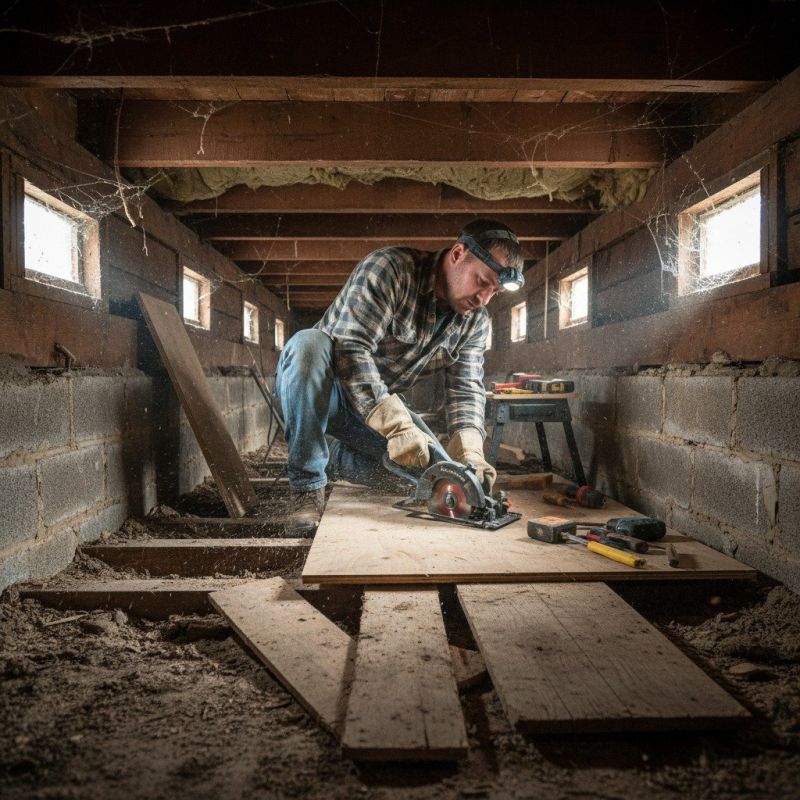
Clearly define your basement floor sawing project to effectively compare service providers, verify experience, and set expectations in writing.
- Verify experience and expertise of local contractors in basement floor sawing projects. - Ensure service providers clearly define the scope of work and methods to be used.
- Compare credentials and references to assess the reliability of different contractors. - Confirm that contractors have a proven track record with similar basement sawing jobs.
- Discuss and document project expectations, including surface preparation and finish requirements. - Clear communication helps prevent misunderstandings during the project.
- Check for detailed written estimates that outline the work scope and key deliverables. - Written documentation provides a basis for comparison and accountability.
- Assess the availability of the contractor to handle specific basement floor conditions and constraints. - Local service providers should be capable of managing unique site challenges.
- Ensure contractors follow safety protocols and proper procedures for basement sawing projects. - Proper safety and procedural adherence are vital for project success and site integrity.
Compare local contractors’ experience, clarify project scope, and establish clear expectations in writing.


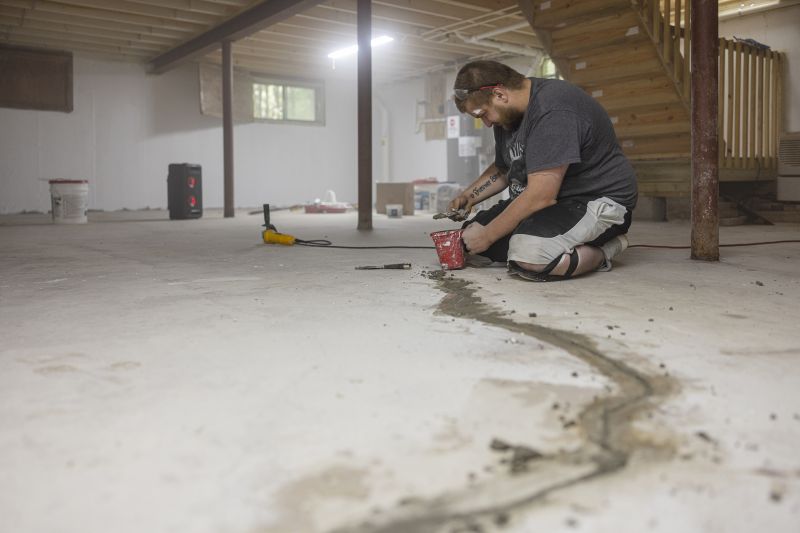
Compare local contractors' scope of work, verify experience, and document expectations clearly for consistent basement floor sawing.
- Scope Definition - Clearly specify the extent of basement floor sawing required, including dimensions and specific areas to be cut.
- Experience Verification - Confirm that the service providers have relevant experience with basement floor sawing projects of similar scope.
- Equipment Requirements - Identify the types of saws and tools needed for the project and ensure contractors have appropriate, well-maintained equipment.
- Material and Surface Considerations - Assess the basement floor material and condition to determine suitable sawing techniques and safety precautions.
- Written Scope and Expectations - Obtain detailed, written descriptions of the work to be performed, including methods, safety measures, and project boundaries.
When comparing contractors for basement floor sawing, it is important to evaluate their experience with similar projects. Homeowners should inquire about the types of sawing jobs they have completed, particularly those involving basement floors or comparable concrete work. A contractor with a proven track record in handling projects of similar scope can often provide insights into potential challenges and effective methods, which can help set realistic expectations for the work involved.
A clear and detailed written scope of work is essential when assessing options. Homeowners should seek contractors who can provide a comprehensive description of the tasks involved, including the specific areas to be cut, the equipment to be used, and any preparatory or cleanup procedures. This clarity helps ensure that both parties have a shared understanding of the project’s parameters and reduces the risk of misunderstandings or scope creep later on.
Verification basics involve confirming that contractors can demonstrate their experience and capabilities through references or examples of completed projects. Homeowners should ask for details about past work similar to their basement sawing needs and verify that the contractor’s claims align with independent sources or previous client feedback. Additionally, understanding the contractor’s safety and procedural standards can contribute to a more informed decision-making process.
Evaluating options without focusing on pricing involves considering the quality of the proposed scope, the experience of the contractor, and how well their approach aligns with the project’s needs. Homeowners should compare how each service provider plans to approach the job, the level of detail in their scope, and their ability to communicate expectations clearly in writing. This approach helps identify the most suitable contractor based on expertise and clarity, rather than cost alone, ensuring a more reliable and well-understood project outcome.
Ask contractors to provide written scope details to ensure clarity and consistency throughout the basement floor sawing project.
- Experience and Expertise - How can I verify the experience of local contractors in basement floor sawing projects?
- Scope of Work - What specific services and capabilities should be included in the scope to meet project needs?
- Equipment and Techniques - What types of saws and methods do contractors typically use for basement floor sawing?
- Project Expectations - How should scope and work details be documented to ensure clear understanding with service providers?
- Comparing Contractors - What criteria should be used to evaluate and compare different local contractors' qualifications and approaches?
What should I consider when choosing a contractor for basement floor sawing? It's important to compare the experience and reputation of local contractors, review their scope of work, and ensure expectations are clearly defined in writing to find a suitable service provider.
How can I verify a contractor’s experience with basement floor sawing? You can ask for references or examples of previous projects, and check for any reviews or ratings available from other clients to assess their expertise and reliability.
What details should be included in a scope of work for basement floor sawing? The scope should specify the size and location of the area, type of saws to be used, any preparation or cleanup required, and any specific project requirements or constraints.
Why is it important to get the scope and expectations in writing? Having a written agreement helps prevent misunderstandings, clarifies the work to be performed, and provides a record of agreed-upon terms for future reference.
How can I compare different contractors for basement floor sawing? Review their experience, scope of services, reputation, and references to determine which service providers align best with the project needs and expectations.
What questions should I ask a contractor before hiring for basement floor sawing? Inquire about their experience with similar projects, the methods they use, how they define project scope, and how they handle unexpected issues during work.
By reviewing the information provided, visitors should now understand how to identify qualified contractors for basement floor sawing, including defining the scope of work, verifying experience, and establishing clear expectations in writing. This approach helps ensure that comparisons are meaningful and that the chosen service providers are well-suited to meet specific project needs. Using the quote form allows for easy comparison of local contractors, supporting informed decisions without the need for direct contact or commitments.
Encouraging visitors to utilize the quote form can facilitate connections with reputable local contractors capable of handling basement floor sawing projects. Comparing options through this process helps clarify differences in services and expertise, making it easier to find a professional who aligns with project requirements. Taking this step can support a more confident selection of service providers tailored to individual project goals.